When it comes to roof ventilation, one of the most common questions we get is: “How much ventilation does my roof space actually need?” A simple starting point is the 10x air changes per hour (ACH) guideline.
What does 10x air changes per hour mean?
10 air changes per hour means replacing the total volume of air within your roof cavity 10 times every hour. This helps remove the hot, stagnant air that builds up in the roof space during warmer weather and replace it with cooler outside air.
For many residential roof spaces, targeting 10 air changes per hour provides a useful benchmark for heat displacement and general roof-space ventilation.
How do you calculate it?
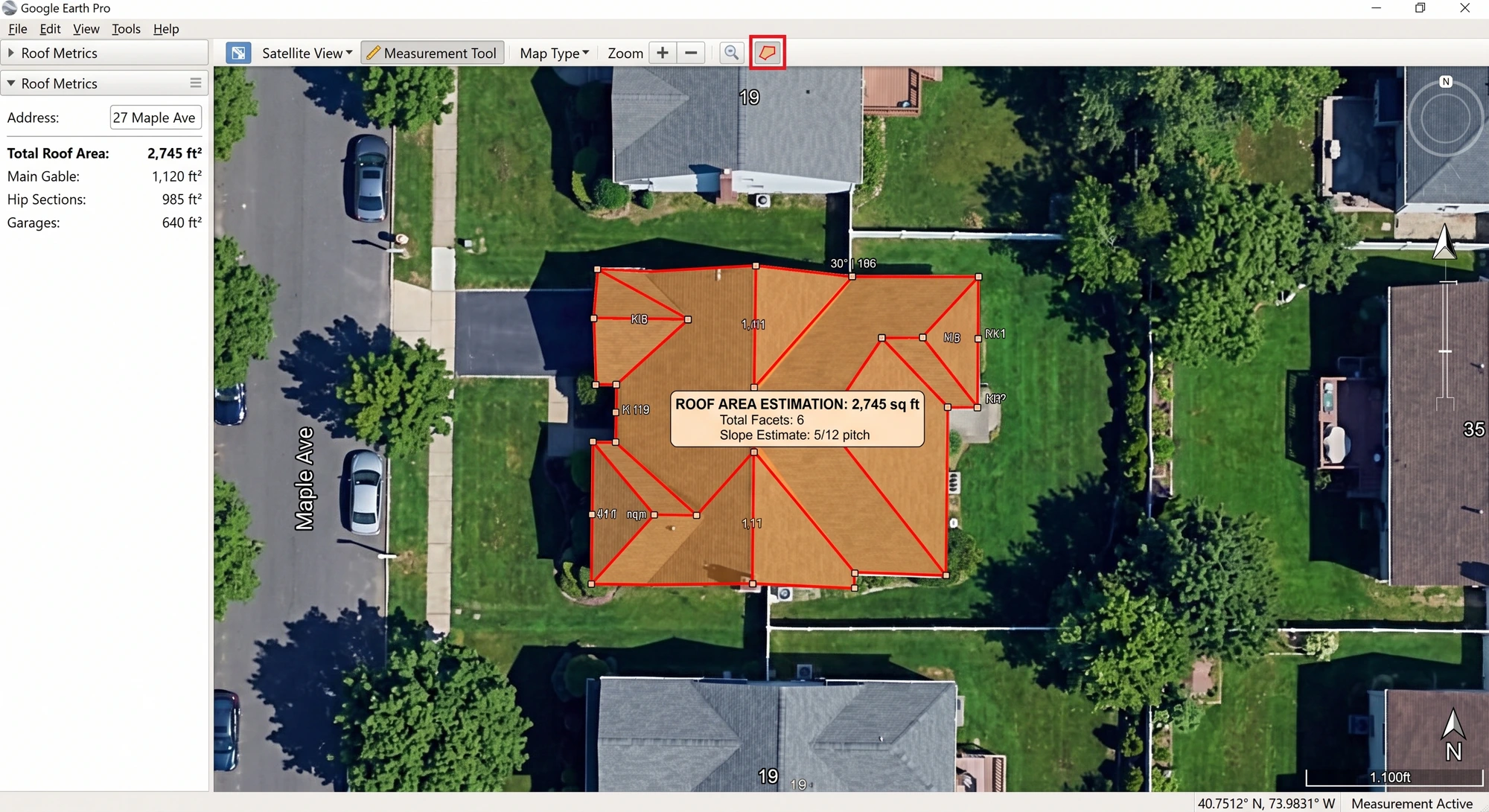
The basic calculation is: Required Airflow = Roof Area × Cavity Height × 10. For the cavity height, use half of your peak roof cavity height — halving it accounts for the sloping shape of the roof. For example, a roof that peaks 3 m above the ceiling uses 1.5 m in the calculation.
| Step | Calculation | Result |
|---|---|---|
| Roof cavity volume | 200 m² × 1.5 m (½ of the 3 m peak cavity height) | 300 m³ |
| 10 air changes per hour | 300 m³ × 10 | 3,000 m³/hour |
For this roof you would require approximately 3,000 m³/hour of ventilation airflow.
Choosing the right solar roof ventilator
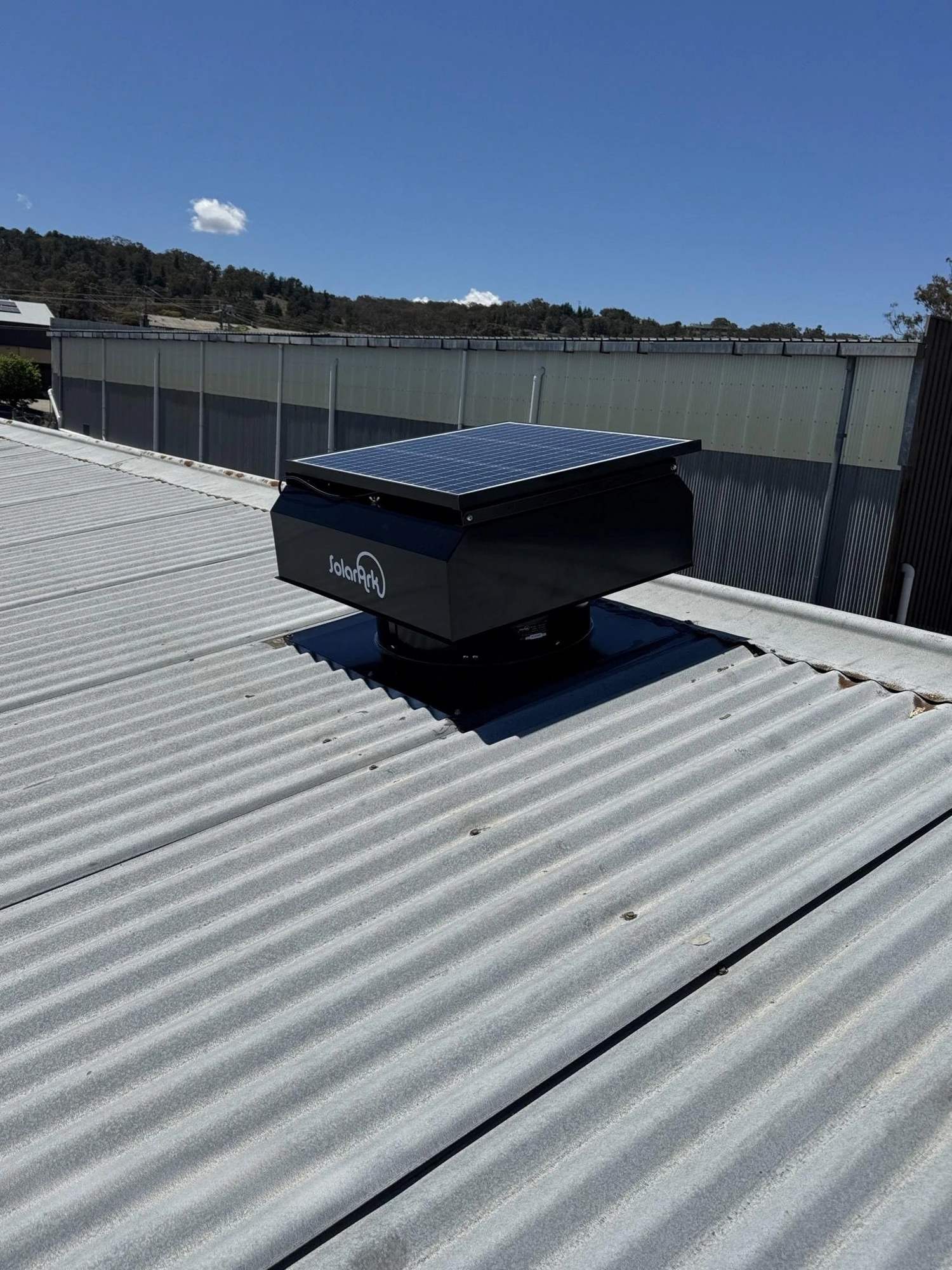
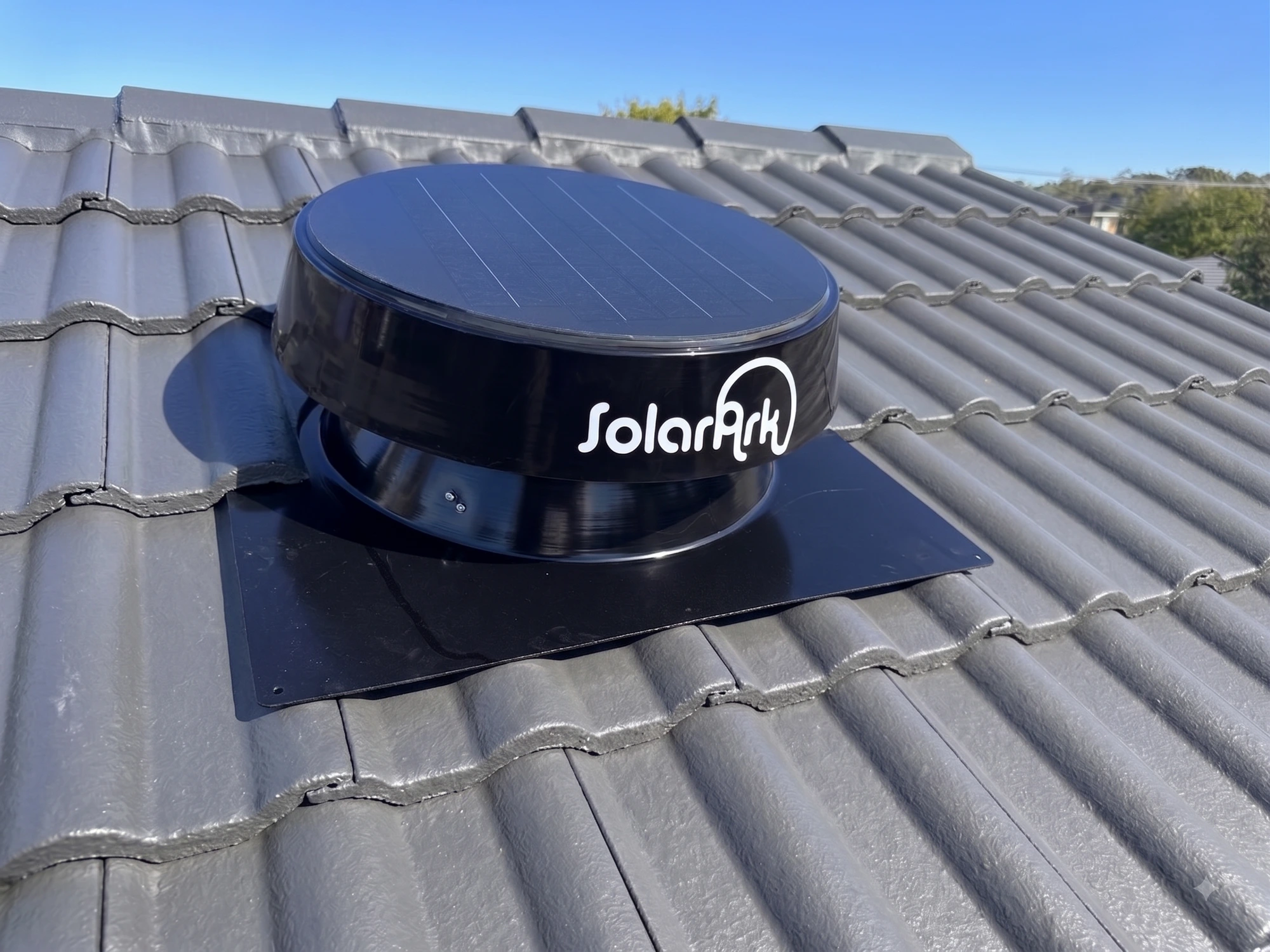
Once you know the required airflow, you can compare it against the airflow rating of the ventilation unit. For example, SolarArk's SAV-20 operates at approximately 2,718 m³/hour, while the SAV-40T operates at approximately 3,660 m³/hour.
For a roof requiring around 3,000 m³/hour, the SAV-40T would therefore provide sufficient airflow to achieve the 10x target.
The “T” models also feature an adjustable tilt solar panel, allowing the panel to be positioned towards the north on roofs where the ventilator itself cannot be installed on a north-facing roof pitch.
Why aim for 10 air changes per hour?
A well-designed ventilation system can help: remove accumulated heat from the roof cavity, reduce roof-space temperatures, reduce the amount of heat transferred into the living areas below, help manage moisture and condensation, and improve overall roof-space airflow.
The 10x target is a useful starting point, but the ideal ventilation rate can vary depending on the application. For areas where you're dealing with significant heat, odours or fumes, a higher air-change target may be appropriate.
Need help calculating your roof ventilation?
Every roof is different. Roof area, cavity height, roof design, insulation, orientation and the intended use of the space can all influence the ventilation requirements.
If you're unsure which SolarArk ventilator is right for your property, SolarArk can help calculate the required airflow and recommend a suitable model for your roof space. Try our interactive airflow calculator or request a quote and our team will size it for you.